Most Legacy Rewrites Fail. Here's the Cheaper Path.
The full rewrite is the costliest, riskiest way to fix legacy software: 79% of modernization projects fail and most run far over budget. Incremental, AI-assisted modernization keeps the system running while you improve it.
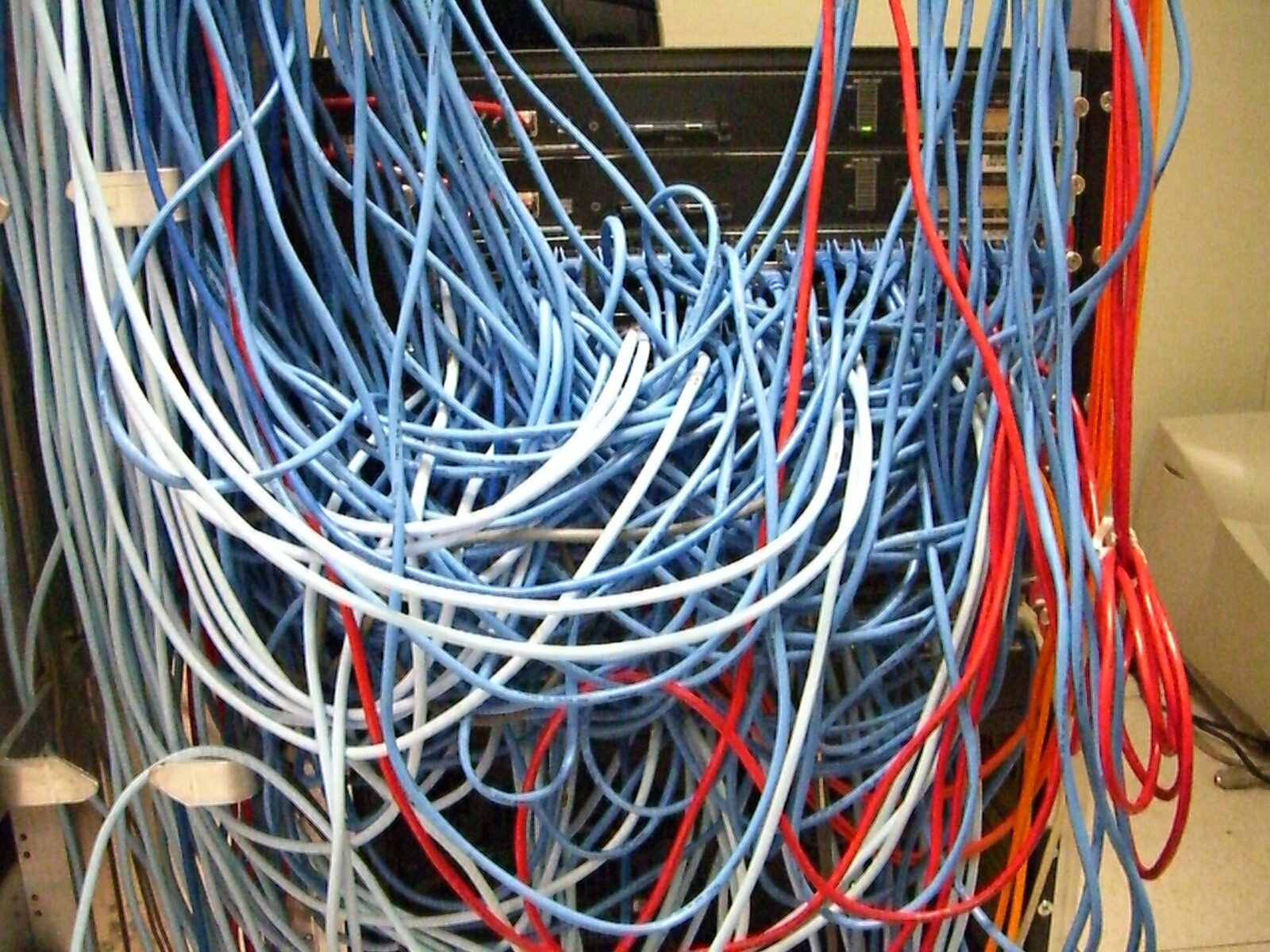
The full rewrite is the most expensive way to fix legacy software, and the most likely to fail. In a Wakefield Research survey for vFunction, 79% of application modernization projects failed. If you’re weighing a ground-up rebuild, those are the odds you’re signing up for.
The good news is that the rewrite isn’t the only option. And it’s rarely the right one for a business that still has to run tomorrow.
Why the big rewrite goes wrong
A rewrite tries to replace a working system with one that doesn’t exist yet, while the business keeps running on the old one. You fund two systems at once. The old one keeps changing while you chase it.
The failure rate isn’t an outlier. A 2020 Advanced survey, a vendor survey run by Coleman Parkes, found 74% of organizations had started a legacy modernization and never finished it. People don’t abandon projects that are going well. Brandon Edenfield, Advanced’s managing director of application modernization, tied the risk to leadership. As reported by BetaNews, he warned that “without full commitment and buy-in from the C-Suite, these projects run the risk of complete failure.”
The cost is the other half. A FullStack price guide, from a vendor, cited a Forbes figure of about $2.9 million for an average traditional legacy upgrade in 2023, and reported that 67% of modernization projects overrun their original budget by more than 35%. So the project is likely to cost far more than quoted, and still likely to fail.
Why “we’ll just rebuild it” underestimates the old system
The old system is more than code. It carries years of edge cases, fixes, and quiet decisions that nobody wrote down. The software is the documentation.
A rewrite rediscovers all of that in production, one angry customer at a time. The behavior you didn’t know the system had is the behavior your replacement gets wrong on the first busy Monday. This is why rewrites that look 90% done stay 90% done for a year. The last stretch is all the behavior no one remembered to specify.
The cheaper path: change it in place
Modernize incrementally. Keep the system running and improve it piece by piece, so every step is small, shippable, and reversible if it misbehaves.
The common pattern is the strangler approach. You wrap the old system, move one function at a time to new code behind it, and retire the old part only once the new one is proven. The business never goes dark. You’re never one failed launch away from a crisis.
AI is what makes this affordable now. It can read a large old codebase, document what each part does, and draft the tests that pin down current behavior before you change anything. A team can understand the system first, then improve it, instead of guessing. The savings are real but conditional: AI needs senior review, or it refactors the wrong thing quickly.
We’ve spent more than fifteen years modernizing systems across stacks, which is why we work in place and stay stack-agnostic. Whatever your software is written in, the goal is to keep it earning while it gets better, not to gamble the business on a single switch. Our senior people join as owners of the outcome, not as a crew paid by the hour to start again.
Pick the one module that costs you the most, in downtime, in support load, or in changes you can’t make, and modernize that first. Measure what it saves, then do the next one. That’s also the first place the maintenance bill starts to fall.