What Keeping Legacy Software Alive Really Costs You
Keeping legacy software running costs about $39,000 per IT worker a year by one vendor survey, and up to 70% of bank IT budgets. Most of that spend is reclaimable, and AI now makes reclaiming it affordable.
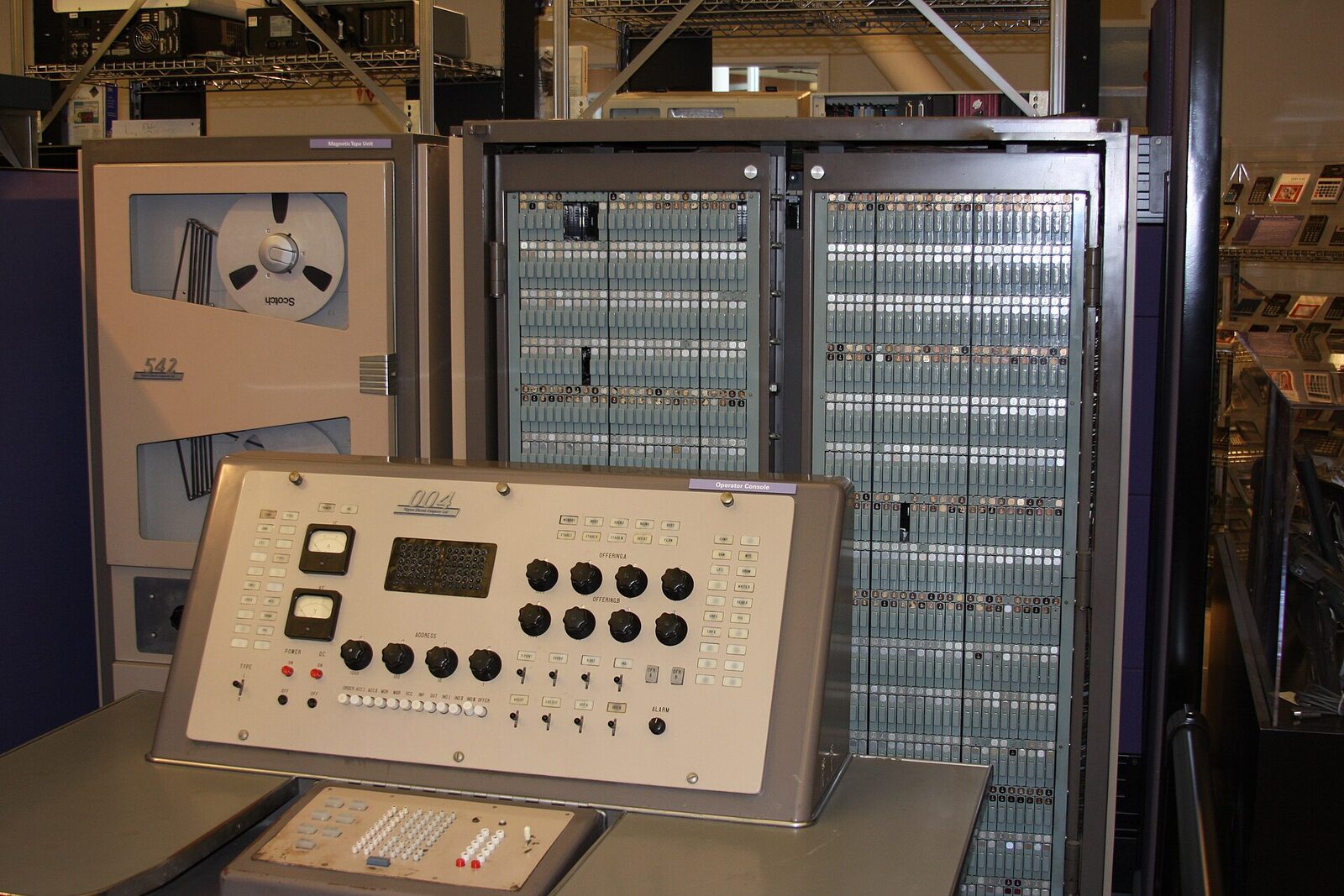
Keeping old software running costs more than most owners think, and the bill hides in salaries, not invoices. A ServiceNow vendor survey put the average at about $39,000 per IT worker each year just to maintain legacy systems. The people signing that check rarely see it as one line.
That’s the first problem with legacy cost. It’s real money. But it’s spread so thin that it never forces a decision.
Why old software quietly gets expensive
Legacy systems don’t fail loudly. They leak. The same ServiceNow survey found IT staff lose about 17 hours a week to legacy upkeep. That time never shows up as a project or an invoice. It shows up as the work that never got done.
The drain scales with the business. Accenture’s Banking Trends 2026 report, cited by DesignRush, found banks now spend up to 70% of their IT budgets maintaining legacy systems and managing technical debt. When seven of every ten IT dollars go to standing still, little is left to move forward.
The problem reaches across the whole economy. The Consortium for Information and Software Quality (CISQ), the nonprofit that tracks this, estimated accumulated software technical debt reached about $1.52 trillion in 2022. The report is blunt about what that means day to day. It states that “the growing impact of Technical Debt (TD) has become the biggest obstacle to making any changes to existing code bases.” That’s not the cost of building new things. It’s the cost of reworking software that was built to get by.
Where that money actually goes
The money goes to people and to caution, not to the software itself.
People first. A system written in an older language needs people who still know it, and that pool shrinks every year. So the rate you pay to keep them goes up. When one of them leaves, part of how the system works leaves too.
Then caution. When no one fully understands how a system behaves, every change gets slower and more expensive. The safe move is to touch as little as possible. Small requests turn into careful projects. Workarounds pile on workarounds. Integrations stay brittle because rewiring them feels too risky.
The cost compounds. A workaround meant to last a month is still load-bearing five years later, and now something else depends on it.
The spend you can actually get back
Here’s the part the gloom hides. Most of that $39,000 per head isn’t a fixed cost of doing business. It’s interest on work that was put off. Pay down the principal and the interest falls.
Owners have lived with it because the alternative looked worse. A full rewrite is expensive and fails more often than it works, so paying the maintenance tax was the rational choice. The cure cost more than the disease.
That math has shifted. AI-assisted tooling now lets a team read, document, and improve old code far faster than before, which is what makes reclaiming the spend affordable rather than aspirational. The reason to keep waiting is weaker than it was a year ago.
We’ve spent more than fifteen years building across stacks, so we start by reading a system as it is, in whatever language it was written, rather than assuming it has to be thrown out. A senior team that treats spending with discipline as the default tends to find the cheapest safe path first.
Start by putting a number on it. Add up the maintenance hours, the people you couldn’t easily replace, and the changes you keep postponing. Once the real annual cost sits on one page, the decision usually makes itself.